
Geometry Dash Level Design Guide (2026) Top Creator Strategies
Geometry Dash Level Creation Guide
Geometry Dash level creation is one of the biggest what make the game’s continued success. Instead of only clearing official stages, players can design their own original level with different gameplay styles, decorations, music, and impressive effects. Every successful creator starts with a simple idea and slowly becomes it into an fun experience for other players. Before creating a level, think about the type of challenge you want to offer. Some creators focus on fast-paced gameplay, while others like creative level designs or brain testing gameplay levels. The most important goal is to create a level that feels fun, fair, and rewarding. A good level should keep players interested from start to end without becoming difficulty or repetitive.
Getting Started with the Editing Tools
The Geometry Dash editor allows a wide collection of tools that allow creators to build almost anything they imagine. new players should first become used to with placing basic blocks, spikes, jump pads, portals, and orbs before testing with advanced features. teaching how to move, rotate, copy, and align objects makes level creation much faster and more stabe. It is also helpful to understand object layers and organizing because these features keep decorations and gameplay divided. practicing regularly with the editor will improve both speed and creativity. Instead of trying to use every feature at once, master the basics first and then slowly learn more advanced options.
Designing Gameplay: The Central Idea
Gameplay is the heart of every successful Geometry Dash level. Even the most beautiful decoration cannot save a level that feels poor design. Start by choosing a central idea that keep a steady approach throughout the stage. This could add high speed cube sections gameplay, wave challenges, robot timing, or mixed game modes. Difficulty should increase seamlessly to quickly. Players enjoy levels that reward skill while keeping gameplay fair. Test every jump carefully to make fair challenge are possible without requiring impossible reactions. Smooth gameplay creates a better experience and help players to complete and suggest your level.
Matching Gameplay with the Music
Music plays an important role in creating iconic Geometry Dash levels. The best creators design gameplay that follows the rhythm of the selected musictrack. Jumps, transitions, speed changes, and effects should feel perfectly timed with the music. This in sync creates a smooth gameplay that makes the level enjoyable to play. Listening to the song several times before building helps identify important beats and powerful moments. Matching visual effects with musical changes also increases the overall quality of the level. Players often remember levels because the gameplay perfectly fits the soundtrack, creating an exciting and deeply experience.
Decoration: Making Your Stand Out Visually
unique design transforms a simple level into an outstanding creation. Good decoration supports gameplay instead of loss of focus players. Choose a style such as high tech, medieval, space, or fantasy, and maintain that style throughout the level. Use colors that complement each other and avoid overly busy design. Background details, lighting effects, and carefully placed objects make environments feel alive. However, balance is important because too many decorations may lower visibility and confuse players. High-quality decoration attracts more attention from the community and increases the chances of current positive ratings and downloads.
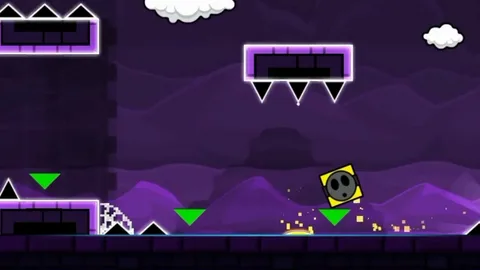
gameplay Triggers and Effects
Once your basic gameplay is complete, triggers and effects can change an basic level into an exciting experience. Triggers allow creators to control movement, color changes, object animations, camera effects, and many other advanced features. In place of placing decorations that remain static, triggers make the level feel alive and smooth. A carefully timed color react during a music drop or a smooth camera movement during a difficult section creates a memorable experience for players.
However, beginners should avoid using too many triggers without understanding their goal. Excessive effects can make the gameplay unclear or even cause performance issues on lower-end devices. It is better to master a few important triggers before experimenting with complex combinations. checking every trigger after placing it helps identify mistakes early and prevents big editing problems later.
game Optimization and Performance
A visually impressive level is only successful if it performs smoothly. Optimization is one of the most overlooked skills among beginner creators. Adding thousands of unnecessary objects, excessive glow effects, or complex animations may reduce frame rates and create lag during gameplay. Players often prefer a clean level that runs smoothly over a beautiful level with poor performance.
Performance also depends on balancing effects throughout the level. Instead of placing hundreds of moving objects in one section, distribute decorative elements evenly. This creates a smoother experience and helps maintain consistent gameplay. Efficient optimization demonstrates professionalism and allows more players to enjoy your creation without technical issues.
Uploading and sharing Your Level
After completing your level, spend time checking every box before uploading it. Play through the level multiple times in both Normal Mode and Practice Mode to identify bugs, invisible obstacles, or unfair jumps. Small issues that seem minor during editing can challenge players after release.
Once uploaded, share your level with friends and the Geometry Dash community. helpful feedback is extremely valuable for improving future projects. Don’t be discouraged by feedback because experienced creators continuously refine their work based on player tips. Updating your level after receiving feedback shows hard work and helps build a positive image within the community.
Advanced Tips for professional designer
Professional creators focus on unformity rather than difficulty. Every section of a great level follows the same artistic style and gameplay core concept. In place introducing random mechanics, they slowly increase difficulty while maintaining a smooth learning curve.
layout is another habit shared by professional designers. making sections, grouping objects, and maintaining a clean editor save countless hours during large projects. Experienced creators also keep backup copies of important levels to avoid losing progress. Patience is equally important because high-quality levels often require weeks or even months of improvement before they are ready for realease.
Finally, continue teaching new editing techniques through experiment. Every completed level teaches lessons that improve your creativity, technical knowledge, and overall design skills. Regular practice remains the fastest path toward becoming a respected Geometry Dash creator.
Final Thoughts
Creating an outstanding Geometry Dash level is a combination of creativity, planning, technical knowledge, and continuous practice. Every successful creator started by building simple levels and learned step by step advanced editing techniques through experimentation. Instead of trying to create a masterpiece right away, focus on improving one skill at a time. Strong gameplay, music synced gameplay, attractive decoration, efficient optimization, and thoughtful testing all contribute to a level that players truly enjoy.
The editor offers nearly unlimited creative possibilities, so don’t be afraid to experiment with new ideas and unique visual styles. Learn from feedback, study successful creators, and keep polishing your projects after every release. With patience, hard work, and consistent practice, you can develop professional-quality levels that stand out in the Geometry Dash community and provide memorable experiences for players around the world.